Key Takeaways
Debt consolidation simplifies loan repayment and helps you improve your credit score.
To consolidate debt, you can opt for a personal loan, a balance transfer, or a loan against property.
To apply for debt consolidation, you must have a good credit score, proof of stable income, and a low DTI ratio.
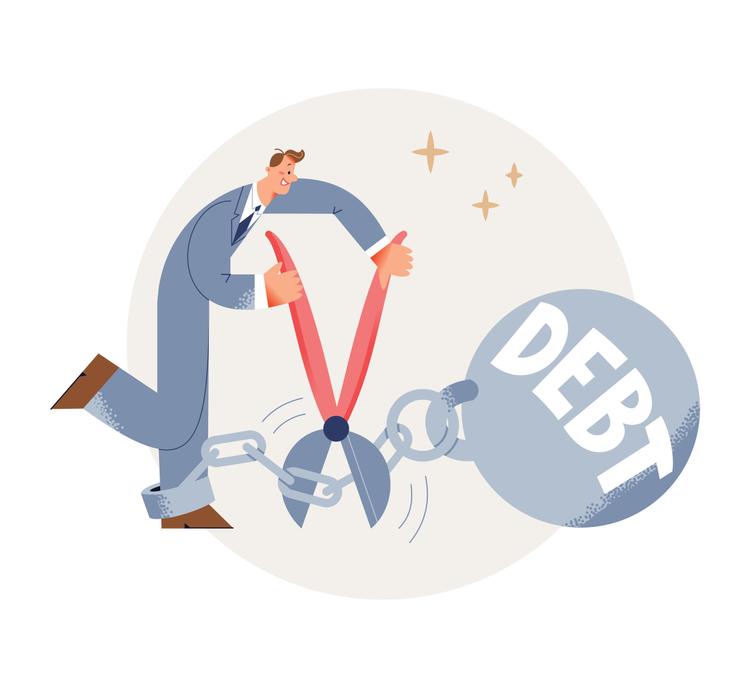
Debt consolidation is a financial strategy that allows you to combine multiple debts into a single loan. This approach can make it easier to manage monthly payments, reduce interest rates, and simplify your financial life.
If you’re struggling with high-interest debts and keeping up with multiple payment deadlines, debt consolidation may be a beneficial solution to streamline your payments and help reduce financial stress.
How Debt Consolidation Works
Combining Multiple Debts
Debt consolidation works by rolling multiple old debts into a new single loan, often with a lower interest rate.
This can be done through personal loans, new credit cards with a high credit limit, or a loan against property (LAP).
Paying Off Old Debts
After taking out the new loan, you use the funds to pay off previous debts, consolidating them into one manageable payment.
Credit Card Balance Transfers
Some people consolidate credit card debt by transferring balances to a new card with a promotional 0% interest rate, which may last between six and 21 months. This option can provide temporary relief from interest, making it easier to focus on paying down the principal balance.
Benefits of Consolidation
In addition to potentially lowering your monthly payments and interest rates, debt consolidation reduces the number of bills and due dates you need to track, which can simplify your financial life. Many creditors are also willing to work with you on debt consolidation, as it improves the likelihood that you’ll repay what you owe.
How a Debt Consolidation Loan Can Save You Money
A debt consolidation loan can reduce interest costs, improve cash flow, and bring better control to your finances. Here is how it can save your money:
It replaces multiple high-interest debts with one loan, often at a lower overall interest rate.
It reduces total interest paid over time by consolidating costly credit card balances.
It lowers your monthly outflow by combining several EMIs into one manageable payment.
It helps you avoid late fees and penalty charges by simplifying repayment schedules.
It improves budgeting by helping you plan for predictable monthly payments.
It may improve your credit score through timely repayments and reduced credit utilisation.
Types of Debt Consolidation Loans
There are several types of loans to consider for debt consolidation, depending on your existing debt structure and financial needs:
Personal Loans
These unsecured loans provide a lump sum that you repay over a fixed term, generally with lower interest rates than credit cards.
Personal loans are a popular choice for consolidating credit card debt, offering predictable monthly payments.
Balance Transfer Credit Cards
Some credit cards offer an introductory 0% APR for balance transfers, providing a chance to pay down debt without accruing additional interest during the promotional period.
Balance transfer cards may also charge an upfront fee, typically between 3% and 5% of the transferred balance, so it's essential to consider this cost when evaluating if a balance transfer card is the right option.
Loan Against Property
If you’re a homeowner with substantial equity, a loan against property could be used to consolidate debt. These loans generally offer interest rates lower than most credit cards, as they’re secured by your property.
However, since these loans use your home as collateral, missed payments could put your property at risk.
Student Loan Consolidation
The government offers direct consolidation loans for government-sanctioned student loans, allowing you to combine multiple loans into one, often with lower monthly payments by extending the repayment period.
Private student loans, however, don’t qualify for consolidation but may be refinanced through a private lender.
Qualifying for Debt Consolidation
To qualify for a debt consolidation loan, you’ll generally need to meet specific requirements set by the lender:
Creditworthiness
Lenders assess your credit score and income to determine your eligibility and interest rate. A higher credit score improves your chances of qualifying for lower rates.
Income Verification
You may need to provide documents like employment letters, recent bank statements, and debt statements for each account you wish to consolidate.
Debt-to-Income (DTI) Ratio
Lenders often consider your DTI ratio (monthly debt payments compared to monthly income) to ensure you can manage the new loan payments comfortably.
Risks of Debt Consolidation
While debt consolidation offers potential benefits, there are also some downsides:
Potential Credit Score Impact
Taking out a new loan can temporarily lower your credit score. However, timely payments on the consolidated loan may improve your score over time.
Risk of Higher Interest Costs
If you choose a consolidation loan with lower monthly payments but a longer term, you could end up paying more in total interest over the loan’s life.
Collateral Risk (for Secured Loans)
Secured loans, like loan against property, require collateral. Missing payments on these loans could result in losing the asset, such as your home, used to secure the loan.
Also Check: Good Debt Vs. Bad Debt: Know How To Leverage Debt
Steps to Get Started with Debt Consolidation
If debt consolidation seems like a good fit, here’s how to get started:
1. Evaluate Your Debt
List all your debts, including amounts, interest rates, and monthly payments, to assess the total cost and repayment timelines.
2. Review Your Credit Score
A good credit score increases your chances of approval and better rates. Many lenders also consider your score when calculating your interest rate.
3. Compare Lenders
Research various lenders and financial institutions, looking for competitive interest rates, fees, and flexible payment terms.
4. Prepare Documentation
Gather documents like income proof, employment details, and statements for each debt account you plan to consolidate
5. Apply for a Loan
Once you’ve selected a lender, submit your application and necessary documents. After approval, use the funds to pay off existing debts.
Will Consolidating Debts with a Loan Affect Your Credit Score?
Debt consolidation can have a positive impact on your credit score if managed properly:
Improving Credit Mix
Having a mix of credit types (like credit cards and loans) may benefit your score.
Timely Payments
Making on-time payments on your consolidated loan can improve your credit score over time, as it shows responsible financial behaviour.
Tips for Choosing the Right Debt Consolidation Loan for You
Choosing the right loan is essential to truly reduce financial stress and save money. Comparing key loan features helps you select an option that fits your budget and repayment capacity.
Ensure the lender offers a loan amount that covers your existing debts without encouraging overborrowing.
Assess whether the monthly EMI fits comfortably within your budget and cash flow.
Compare interest rates and check whether they are fixed or variable over the loan’s tenure.
Look for prequalification options to estimate interest rates and loan eligibility in advance.
Check for hidden costs such as origination fees or processing charges.
Review prepayment or foreclosure charges if you plan to repay the loan early.
Compare total interest payable using a loan calculator, not just the monthly EMI.
In Closing
Debt consolidation can be an effective tool for simplifying finances, reducing interest rates, and improving credit scores. However, it’s essential to weigh the pros and cons. If your current interest rates are manageable and payments are within your budget, taking on a new loan may not be necessary. If you’re facing high-interest debts and struggling to manage multiple payments, debt consolidation through a personal loan could provide relief and long-term savings.
Remember to research and choose a reliable lender with competitive rates and terms. With careful planning, debt consolidation can help you regain control over your finances, allowing you to work towards a more stable and stress-free financial future.
Frequently Asked Questions
1. What exactly is debt consolidation?
Debt consolidation means combining multiple debts into one single loan. It simplifies repayment and may lower interest costs, but does not eliminate the debt itself.
2. How does a debt consolidation loan work?
A debt consolidation loan combines multiple high-interest debts into one single loan. You repay it through one monthly instalment, often at a lower interest rate, making repayment simpler.
3. What types of debts can I consolidate?
You can consolidate most unsecured debts, such as credit card balances, personal loans, and medical bills. In some cases, student loans or even secured loans like auto or home loans can be consolidated through refinancing.
4. How can I qualify for a debt consolidation loan?
To qualify for a debt consolidation loan, you generally need a good credit score and a stable monthly income. Lenders also assess your debt-to-income ratio, employment history, and basic documents like PAN and bank statements.
5. Will debt consolidation affect my credit score?
Debt consolidation may cause a small, temporary dip in your credit score due to a new loan inquiry. However, timely repayments and reduced credit utilisation can improve your score over time.
6. What are the risks involved with debt consolidation?
Debt consolidation can lead to higher total interest costs and additional fees over the long term. It may also impact your credit score and, if not managed carefully, encourage new debt or risk collateral loss.